Septic System Replacement in Denver, CO
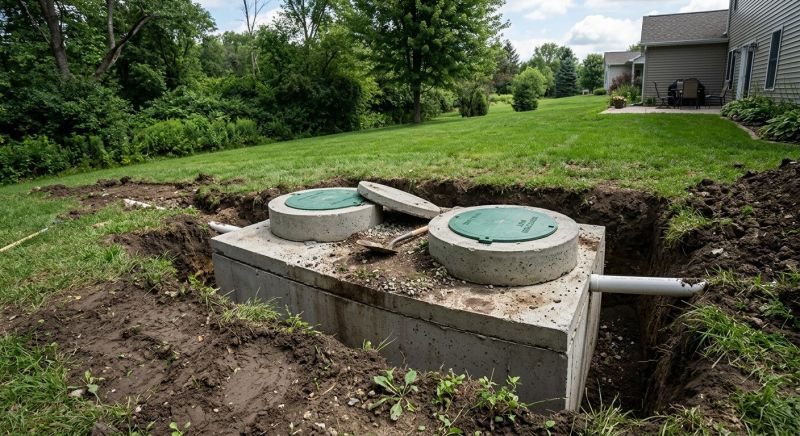
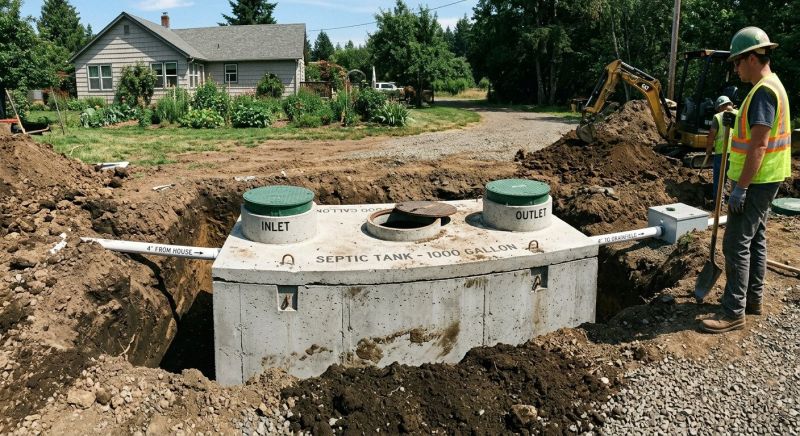
Septic system replacement involves removing an outdated or malfunctioning septic tank and installing a new system to ensure proper waste management on a property. This service typically covers projects where the existing septic system has failed, is no longer functioning efficiently, or does not meet current codes and capacity needs. Property owners may consider replacement if they experience persistent backups, odors, or if the system is approaching the end of its lifespan. Understanding the size and type of septic system suitable for the property, as well as any local regulations or permitting requirements, is essential before requesting this service.
Before requesting septic system replacement, homeowners should evaluate the condition of their current system and determine whether repairs are sufficient or if full replacement is necessary. It’s helpful to have information about the property's size, usage patterns, and soil conditions, as these factors influence the appropriate system design. Additionally, understanding the scope of work, including excavation and site restoration, can assist in planning the project effectively. Proper assessment and planning help ensure the new septic system functions reliably and complies with local standards.
Many property owners in Denver, CO look into Septic System Replacement for repairs, replacements, upgrades, and appearance-related improvements.
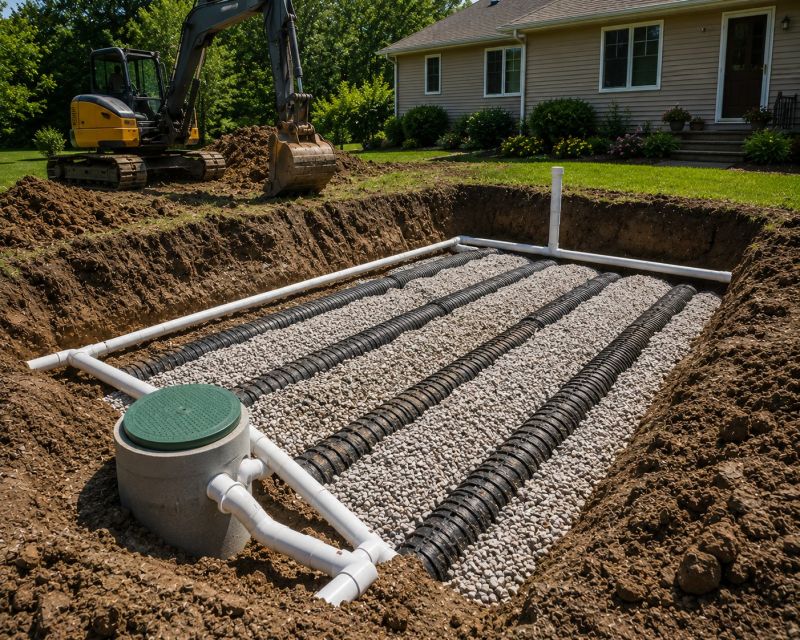
Septic System Replacement Options
Choosing the right replacement system ensures reliable wastewater management for your property.
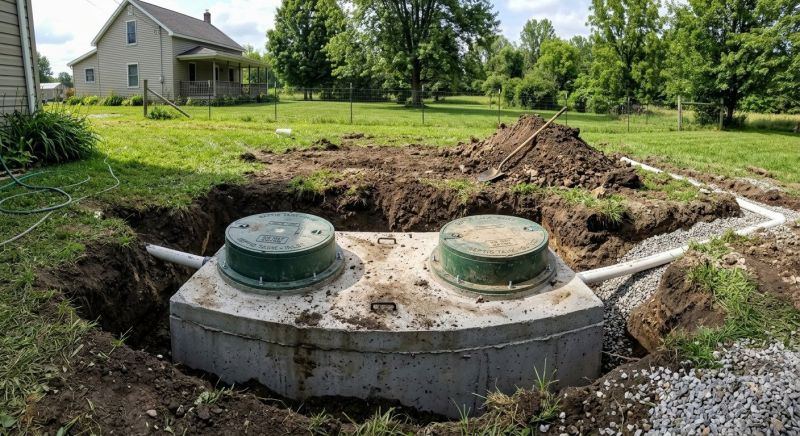
Signs You Need A New Septic System
Persistent backups, odors, or slow drains may indicate the need for system replacement.
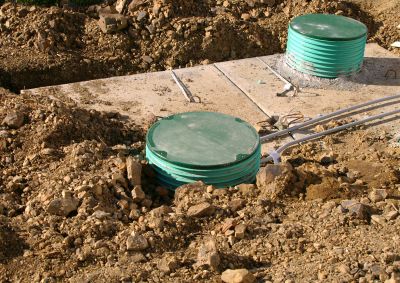
Benefits Of Upgrading Your Septic System
A modern replacement can improve efficiency, reduce maintenance, and ensure compliance with local regulations.
Septic System Replacement in Denver, CO

Septic system replacement involves removing an outdated or malfunctioning septic tank and installing a new system to ensure proper waste management on a property. This service typically covers projects where the existing septic system has failed, is no longer functioning efficiently, or does not meet current codes and capacity needs. Property owners may consider replacement if they experience persistent backups, odors, or if the system is approaching the end of its lifespan. Understanding the size and type of septic system suitable for the property, as well as any local regulations or permitting requirements, is essential before requesting this service.
Before requesting septic system replacement, homeowners should evaluate the condition of their current system and determine whether repairs are sufficient or if full replacement is necessary. It’s helpful to have information about the property's size, usage patterns, and soil conditions, as these factors influence the appropriate system design. Additionally, understanding the scope of work, including excavation and site restoration, can assist in planning the project effectively. Proper assessment and planning help ensure the new septic system functions reliably and complies with local standards.
Many property owners in Denver, CO look into Septic System Replacement for repairs, replacements, upgrades, and appearance-related improvements.
Common Septic System Replacement Jobs
Septic System Replacement - complete removal and installation of a new septic system for reliable wastewater management.
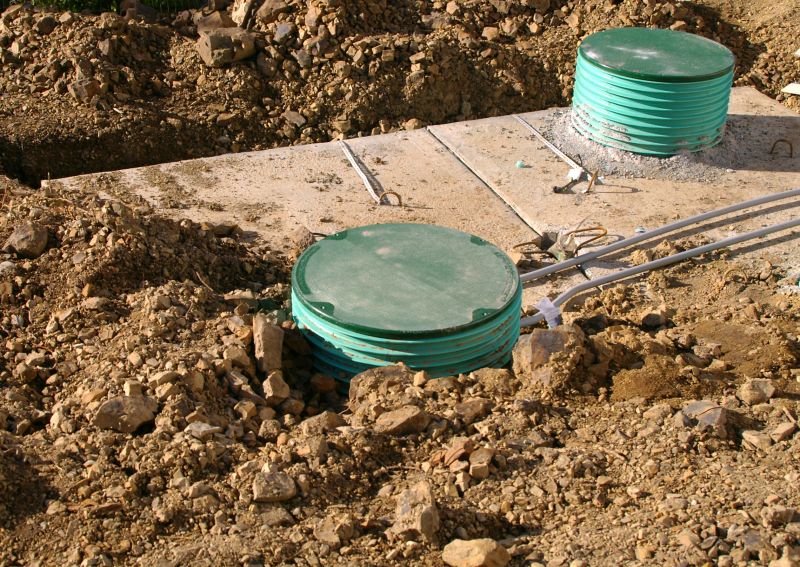
Septic Tank Replacement - upgrading or replacing an aging or damaged septic tank to prevent leaks and system failures.
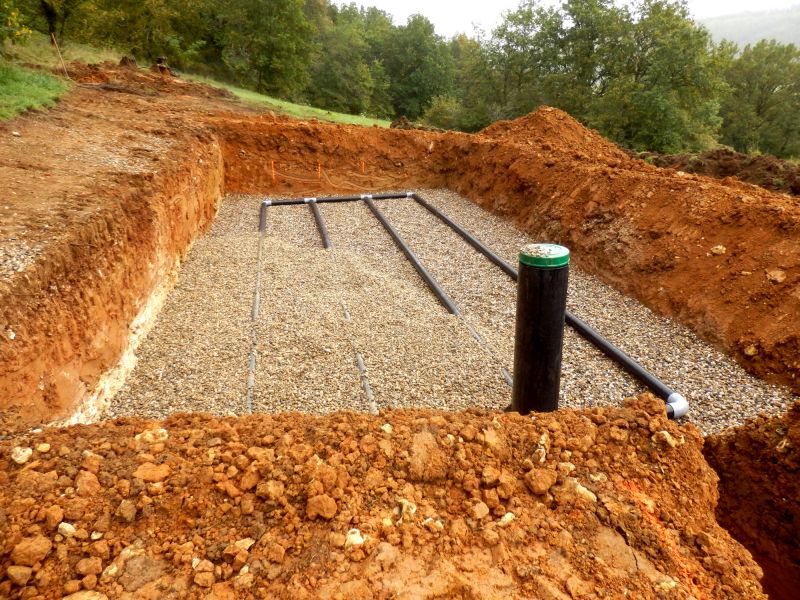
Drain Field Replacement - installing a new drain field to ensure proper absorption and prevent system backups.
Septic System Upgrades - modernizing existing systems to meet current standards and improve efficiency.
Leach Field Replacement - replacing or repairing leach fields to restore proper wastewater dispersal.
Septic System Removal - removing outdated or unused systems to free up property space and prevent issues.
Septic System Replacement Questions
What signs indicate a septic system may need replacement? Signs include frequent backups, foul odors, standing water near the tank, or slow drains throughout the property.
How long does a septic system replacement typically take? The process usually involves planning and installation, which can vary depending on site conditions and system size.
What types of septic systems are available for replacement? Options include conventional gravity systems, pressure distribution systems, and alternative designs tailored to property needs.
Is a permit required for septic system replacement? Yes, replacing a septic system generally requires permits from local authorities to ensure proper installation and compliance.
Request Septic System Replacement in Denver, CO
Use the quote form on this page to share the basics of your project and request more information for the type of work you need.